Claude, ChatGPT & more

Launch faster without touching the store

Build campaign-specific product landing pages outside the ecommerce store. Import products from Shopify, WooCommerce, or CSV, route visitors to the right checkout, keep product data accurate, and prove which pages, variants, and channels drive revenue.

Launch faster without touching the store

Control advanced commerce logic

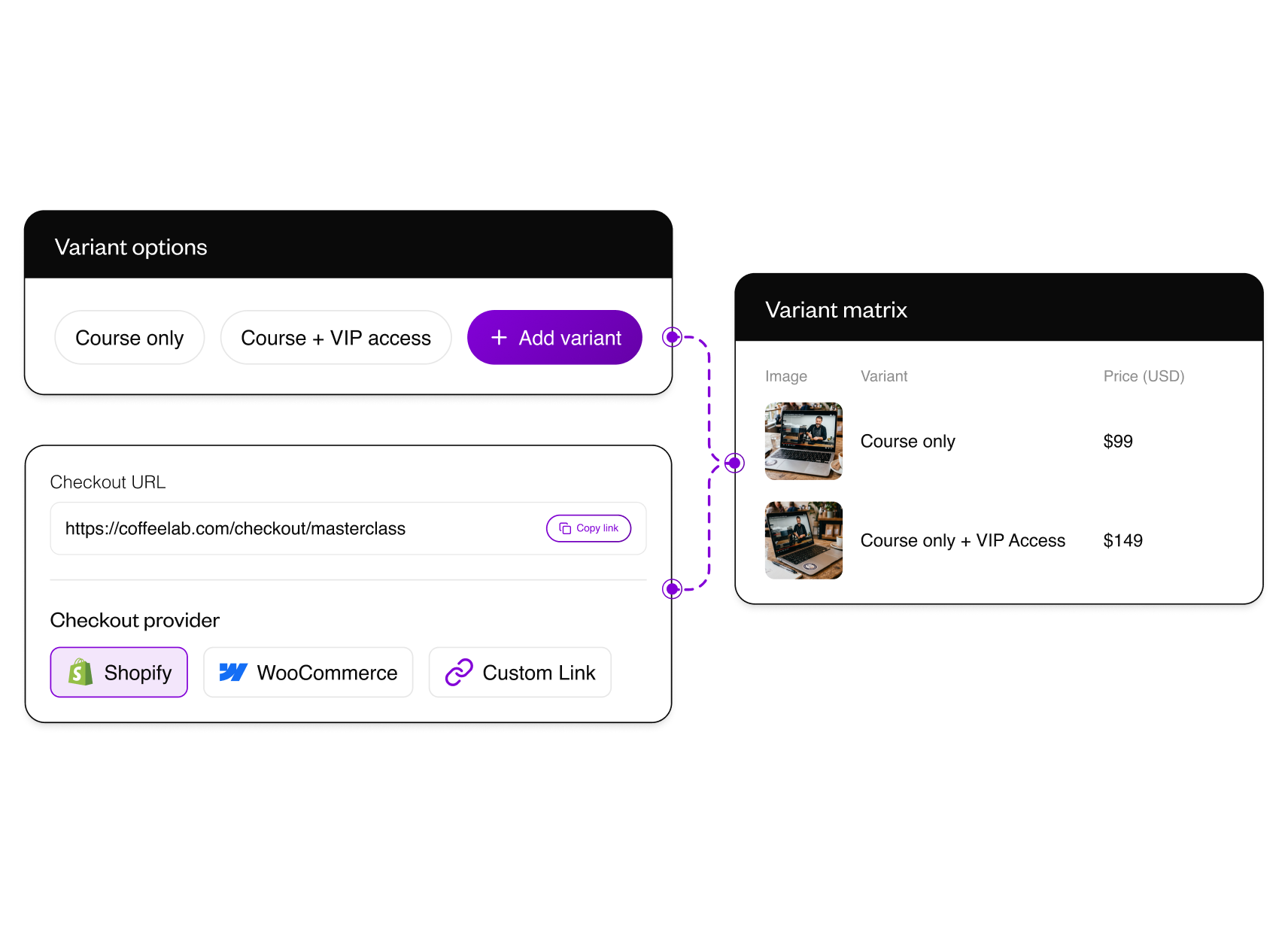
  • Build manual products, variants, and checkout URLs for campaign offers that need more control than a standard product import.
  • Change how imported product variants appear on the page, so teams can test clearer product choices without changing the source catalog.
  • Control cart, checkout, destination, new-tab behavior, and out-of-stock redirects from one setup, so every campaign sends buyers to the right next step.
Build custom product offers

Run product landing pages from dedicated subdomains

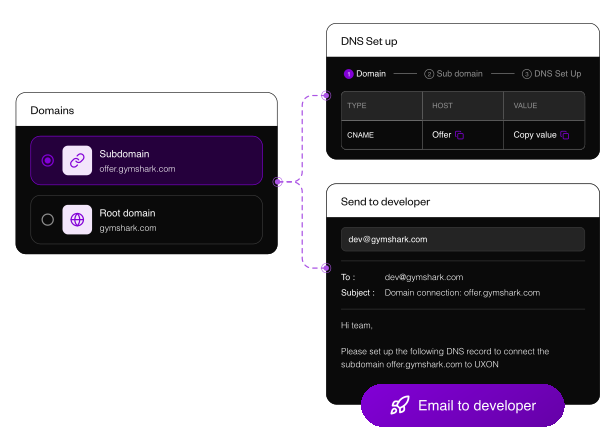
Publish focused product landing pages on campaign subdomains while keeping Shopify or WooCommerce checkout connected. Launch outside the store theme, avoid app-layer constraints, and give paid traffic a faster path to a clean buying experience.

Domain connection

Build faster with a centralized brand system

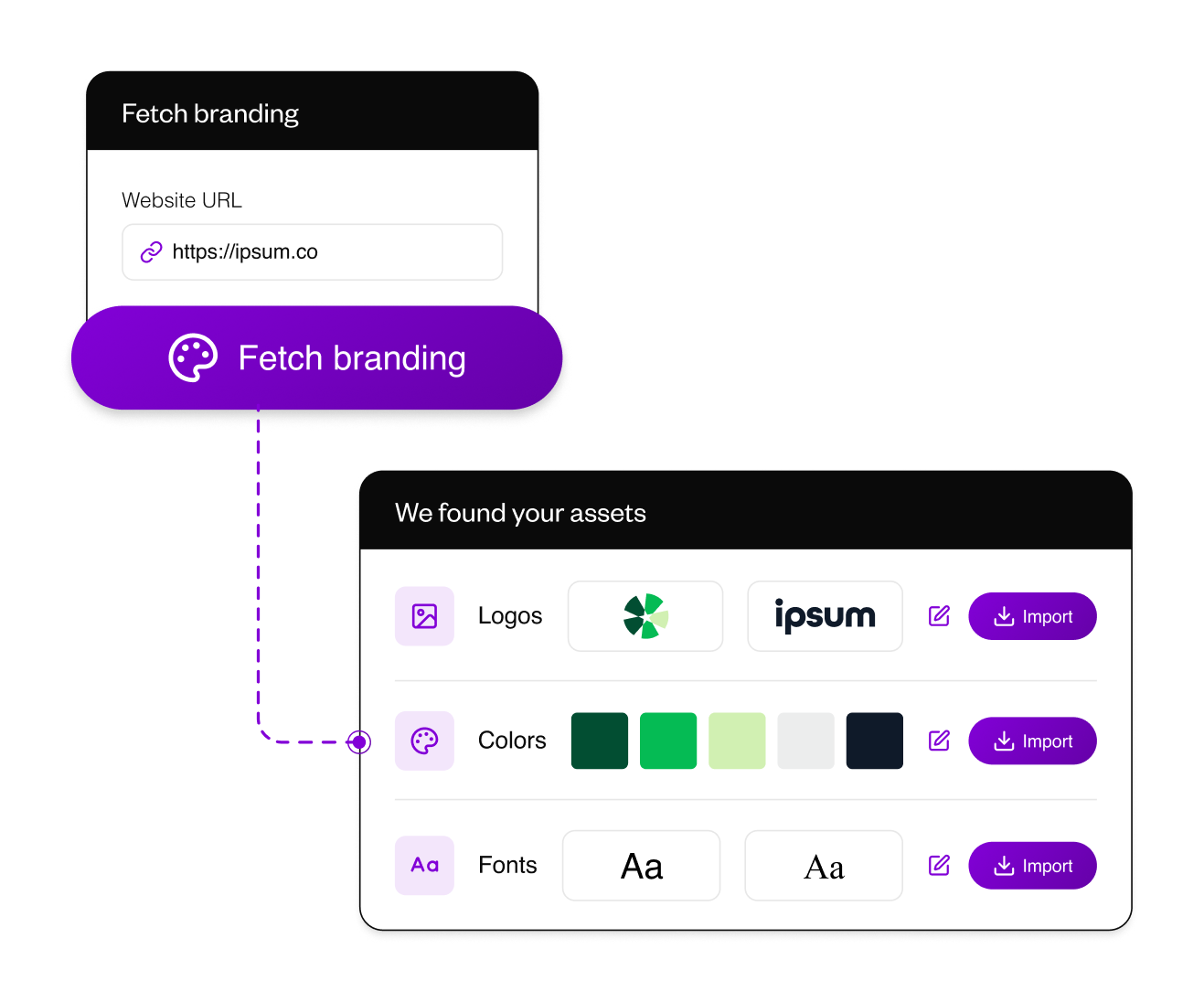
Build from one brand system, not siloed page work. Lock in colors, fonts, voice, and scripts once, then reuse them across every product page and campaign test.

Import
ImportPull logos, colors, and fonts from the store or client site, then review the brand system before the first product page goes live.
Colors and fonts
Voice
Global scripts

Build sharper product pages before traffic scales

Competitive angle discovery
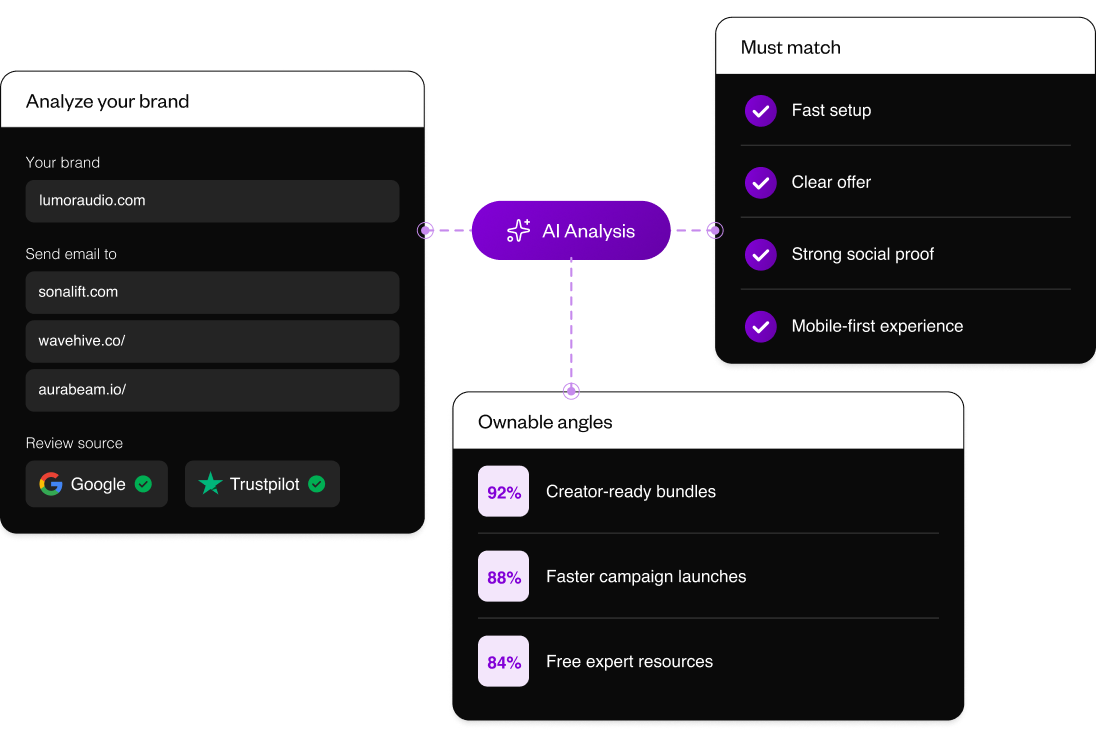
Brand intelligence overview

Compare brand and competitor claims before product copy is written, then turn positioning gaps into sharper product angles, objections, and proof.
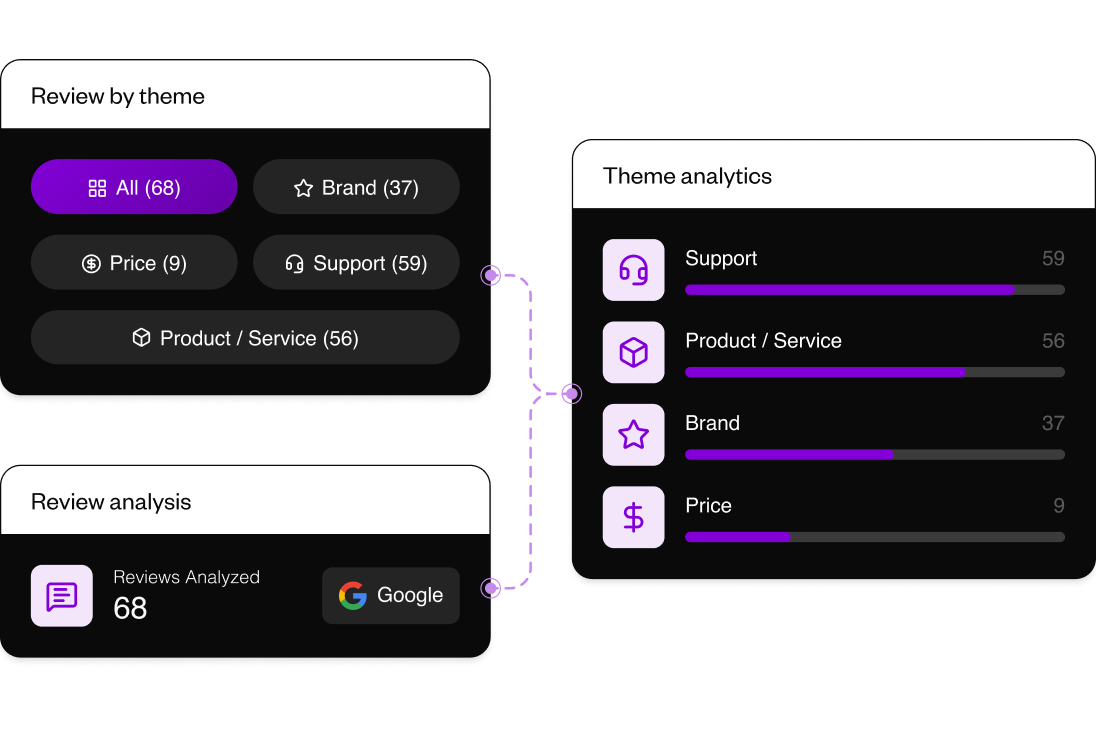
Review-backed claims

Brand intelligence theme analytics

Use customer review themes to find the benefits, objections, and support issues that should shape product pages before paid traffic scales.

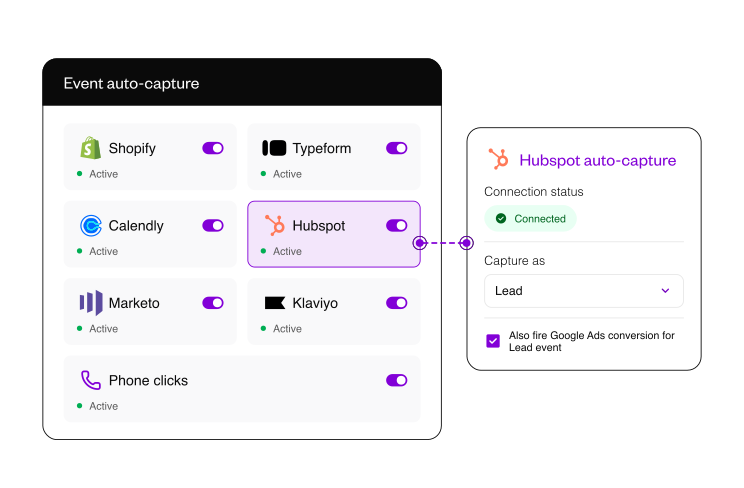
Capture revenue events without manual tagging

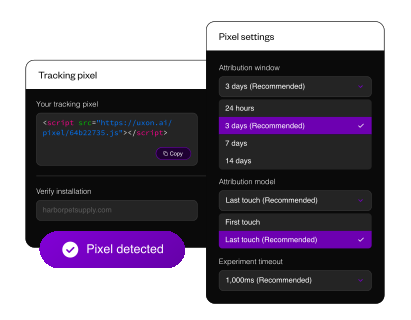
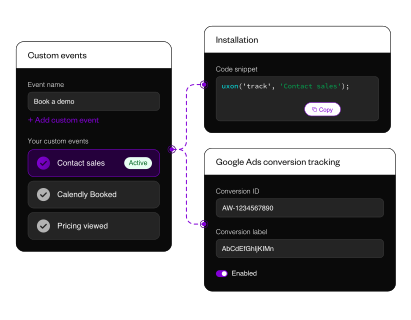
Switch on supported Shopify, Klaviyo, form, and custom conversion events with toggles instead of rebuilding tracking for every product page. Purchases stay connected to the page, channel, and variant that created them.

Capture conversion events automatically

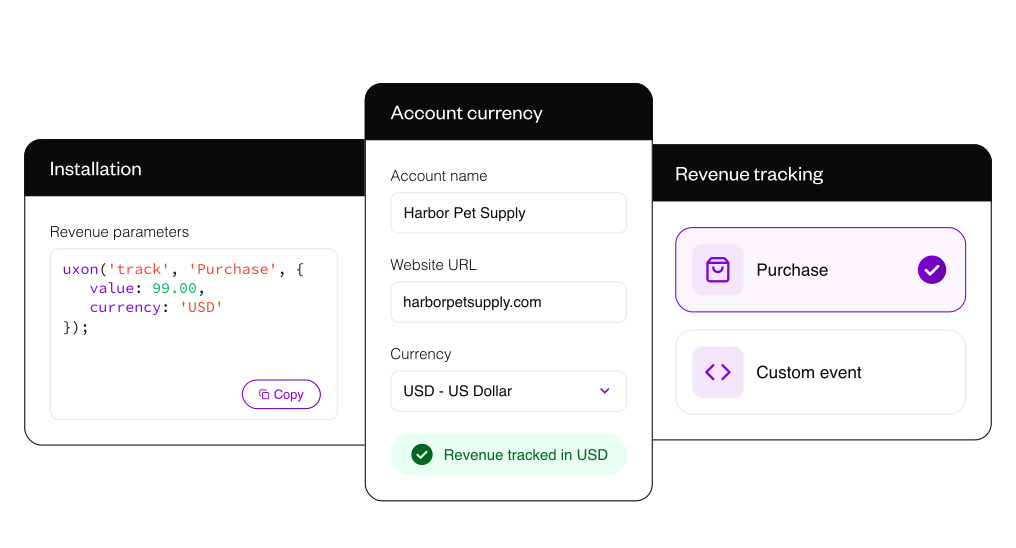
Connect revenue to product performance

Do not judge commerce pages by clicks alone. Use first-party pixel settings, custom events, and revenue tracking to see which offer, page variant, and source created real commercial value.

Turn product testing into a repeatable system

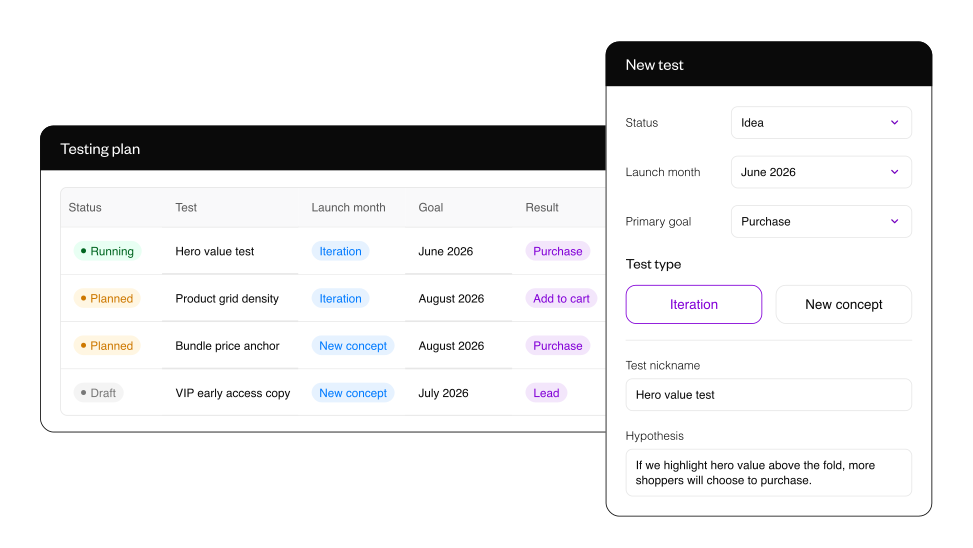
Plan the next offer, landing page, or test, refresh live results, and keep learnings attached to the account so learnings compound.

Planning
PlanningPlan product-page ideas, offer tests, and follow-up iterations before spend moves.
Refresh results
Learnings

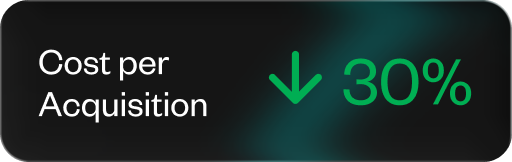
Conversion lifts across real client funnels

Frequently asked questions

UXON supports Shopify, WooCommerce, CSV, and manually created products, depending on setup. Teams can keep each campaign page focused on the products, variants, and offers tied to paid traffic.
No. UXON helps teams build product landing pages and control where buyers go next. Visitors can still be sent to the right cart, checkout, or external destination.
Yes. Teams can create custom products, variants, and checkout URLs manually. This is useful for preorders, bundles, service-product offers, campaign-only offers, or stores using another payment path.
Yes. Purchase events and revenue data can flow into attribution and experiment reporting when configured, so teams can compare pages by revenue, conversion value, and product performance, not only clicks.
Yes. UXON connects commerce with landing pages, variants, first-party attribution, and experimentation, so teams can compare offers and keep each variant aligned to the right buying path.